🌟Introduction~
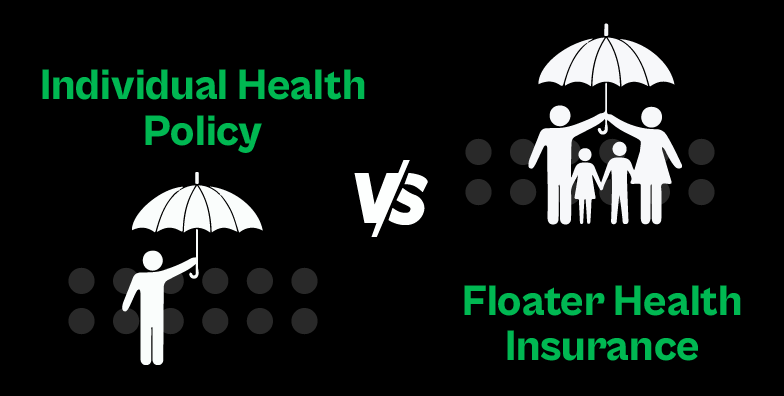
Health is true wealth but in today’s world, protecting the wealth often comes with a hefty price tag. With medical costs rising faster than ever, having the right health insurance policy is no longer optional but it’s essential. When you start exploring health insurance options one common dilemma arises should you go for an individual health insurance policy or family floater plan🤔.
Both policies aim to safeguard you against unexpected medical expenses, Yet they differ in how coverage is structured and shared😁.
🌟Core Features of Individual Health Insurance Policy~
👉🏻Dedicated Coverage: The sum insured is only reserved entirely for one person.
👉🏻Premium: Premiums are calculated based on the age, health condition and coverage.
👉🏻Medical Expenses Protection: It covers hospitalization costs, surgeries, doctor consultation, diagnostic tests and medicines.
👉🏻Cashless Treatment: Many insurers offers cashless facilities at network hospitals reducing the need for upfront payments.
👉🏻No Claim Bonus: If you don’t make a claim in a year, insurers may increase your sum insured at no extra cost.
🌟Core Features of Family Floater Health Insurance Policy~
👉🏻Single Policy for Entire Family: Covers multiple family members under one single policy.
👉🏻Shared Sum Insured: The insured amount is pooled and any member can use it upto full limit.
👉🏻Premium: Premiums are generally lower compared to buying separate individual policies for each family member.
👉🏻Cashless Treatment: Available at network hospitals, reducing the need for upfront payment.
👉🏻No Claim Bonus: If no claims are made, insurers may increase the sum insured.
🌟Conclusion~
Both individual and family floater health insurance policies serve the same purpose protecting against rising medical costs but they differ in how coverage is allocated. An individual policy ensures dedicated protection for each member making it ideal for families with elderly or high-risk individuals. A family floater policy, on the other hand offers a cost-effective way to cover younger healthier families under a single plan.
Ultimately, the choice depends on your family’s age mix health conditions and budget. For many households a hybrid approach floater coverage for younger members and individual policies for parents strikes the right balance between affordability and security.