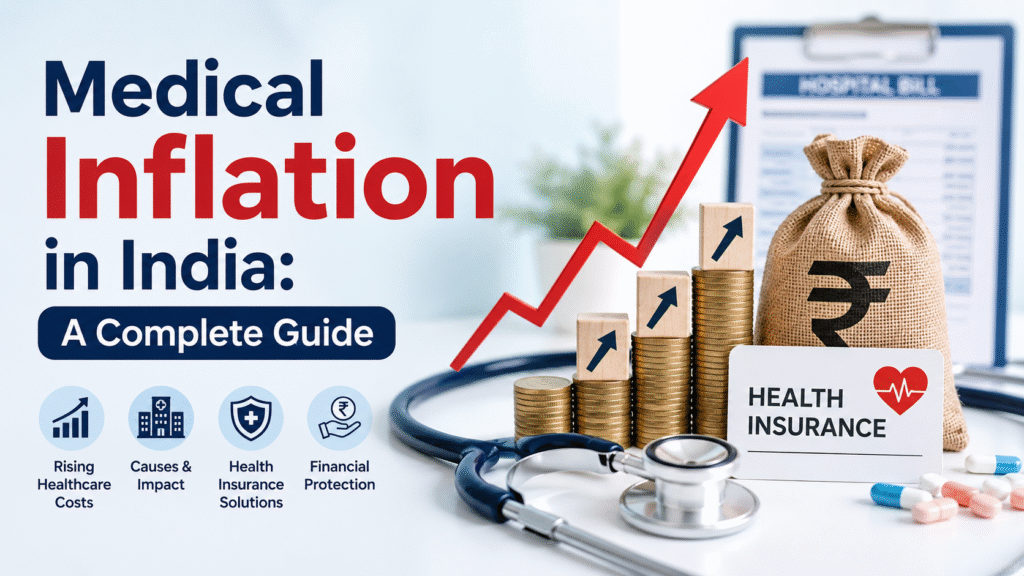
Healthcare is one of the most important investments we make, yet it has also become one of the most expensive. Over the past decade, the Medical Inflation in India has increased rapidly, making quality healthcare less affordable for many families. From routine consultations and diagnostic tests to surgeries and hospitalization, medical expenses continue to rise year after year.
Understanding Medical Inflation in India is no longer just a concern for financial experts—it is essential for every individual and family. Rising healthcare costs can quickly drain savings, delay financial goals, and create unexpected financial stress. The good news is that with proper financial planning, adequate health insurance, and smart investment decisions, you can prepare yourself for these rising expenses.
In this complete guide, we’ll explore what medical inflation is, why it is increasing, how it impacts your finances, and the practical steps you can take to protect yourself and your loved ones.
What Is Medical Inflation?
Medical inflation refers to the annual increase in the cost of healthcare services and medical treatments. Unlike general inflation, which measures the rise in prices across all goods and services, medical inflation focuses specifically on healthcare expenses.
It includes rising costs of:
- Hospitalization
- Doctor consultations
- Medicines
- Diagnostic tests
- Surgeries
- Intensive care
- Medical equipment
- Post-hospitalization treatment
Medical inflation is often significantly higher than general inflation because healthcare depends on advanced technology, specialized professionals, imported medical equipment, and continuous medical innovation.
Why Is Medical Inflation in India Rising?
Several factors are contributing to the increasing Medical Inflation in India.
1. Increasing Lifestyle Diseases
Lifestyle-related illnesses such as diabetes, hypertension, obesity, heart disease, and cancer are becoming more common. These conditions often require lifelong treatment and regular medical care, increasing healthcare costs.
2. Advanced Medical Technology
Modern healthcare offers better diagnosis and treatment than ever before. Robotic surgeries, AI-assisted diagnostics, minimally invasive procedures, and advanced imaging technologies improve patient outcomes but also increase treatment expenses.
3. Rising Cost of Medicines
Many medicines, especially specialized drugs and imported treatments, have become more expensive. Long-term medications for chronic illnesses can place a significant financial burden on families.
4. Higher Hospital Operating Costs
Hospitals face rising expenses for infrastructure, skilled healthcare professionals, equipment maintenance, utilities, and compliance with healthcare regulations. These costs are reflected in patient bills.
5. Longer Life Expectancy
People are living longer than ever before. While this is a positive development, it also means higher lifetime healthcare spending, particularly for age-related illnesses.
How Medical Inflation Affects Indian Families
Medical inflation doesn’t just impact hospital bills—it affects your entire financial plan.
Savings Can Disappear Quickly
A single hospitalization can cost several lakhs of rupees. Without sufficient health insurance, years of savings may be used to pay medical expenses.
Financial Goals May Get Delayed
Money intended for buying a home, funding children’s education, or retirement planning may need to be diverted toward medical emergencies.
Increased Financial Stress
Unexpected healthcare expenses often create emotional and financial pressure for families, especially when treatment costs exceed available savings.
Reduced Retirement Security
Retirees typically require more healthcare services. Medical inflation can rapidly reduce retirement savings if proper planning has not been done.
Medical Inflation vs General Inflation
Many people assume medical costs increase at the same pace as everyday expenses. However, healthcare costs generally rise much faster.
| General Inflation | Medical Inflation |
|---|---|
| Covers all goods and services | Covers healthcare expenses only |
| Usually grows at a moderate pace | Often increases at a much faster rate |
| Impacts daily household expenses | Directly affects hospitalization and treatment costs |
This difference is why healthcare planning deserves separate attention in every financial plan.
Why Health Insurance Matters More Than Ever
Health insurance is one of the strongest financial tools for managing rising healthcare expenses.
A comprehensive health insurance policy helps cover:
- Hospitalization expenses
- Day-care procedures
- Emergency treatments
- Pre and post-hospitalization costs
- Cashless treatment at network hospitals
Having adequate coverage protects your savings and allows you to focus on recovery instead of worrying about medical bills.
However, simply having a health insurance policy is not enough. The sum insured should be reviewed regularly to ensure it keeps pace with rising medical costs.
How to Protect Yourself from Medical Inflation
Here are practical ways to reduce the financial impact of rising healthcare costs.
Review Your Health Insurance Regularly
Many people purchase health insurance once and never review it again. As healthcare costs increase, your existing coverage may no longer be sufficient.
Review your policy every year and consider increasing your sum insured when necessary.
Consider a Super Top-Up Plan
A Super Top-Up Health Insurance Plan provides additional coverage after your base policy limit is exhausted. It offers higher protection at a relatively affordable premium.
Build an Emergency Fund
Health insurance may not cover every expense. Maintaining an emergency fund equal to at least six months of household expenses provides additional financial security.
Invest for Long-Term Healthcare Goals
Long-term investments such as SIPs in mutual funds can help build wealth that may be required for future healthcare needs, especially after retirement.
Maintain a Healthy Lifestyle
Preventive healthcare is one of the best financial decisions you can make.
Regular exercise, balanced nutrition, adequate sleep, and routine health check-ups can reduce the risk of chronic illnesses and lower future medical expenses.
Common Mistakes People Make
Avoid these common mistakes when planning for healthcare costs.
- Choosing the cheapest health insurance policy without comparing benefits.
- Buying insufficient health insurance coverage.
- Ignoring waiting periods and policy exclusions.
- Delaying the purchase of health insurance until later in life.
- Not reviewing policies as healthcare costs rise.
- Depending only on employer-provided health insurance.
The Role of Financial Planning
Healthcare planning should be an integral part of every financial plan.
A balanced financial strategy should include:
- Adequate health insurance
- Emergency savings
- Long-term investments
- Life insurance
- Retirement planning
Combining these elements creates financial resilience and reduces the impact of unexpected medical expenses.
How Growease Can Help
At Growease, we understand that rising healthcare costs can make financial planning challenging.
Our experts help individuals and families choose health insurance solutions that match their needs and budget. We also provide guidance on mutual funds, SIPs, loans, and corporate fixed deposits (FDs) to help you build long-term financial security.
Whether you’re purchasing your first health insurance policy or reviewing your existing coverage, Growease is committed to helping you make informed financial decisions with confidence.
Conclusion
The steady rise in Medical Inflation in India makes healthcare planning more important than ever. Hospital bills, medicines, and treatment costs are increasing faster than many people’s incomes, making financial preparedness essential.
The best way to stay protected is to combine adequate health insurance with disciplined savings, smart investments, and regular financial planning. Taking proactive steps today can help safeguard your family’s finances and ensure access to quality healthcare when it matters most.
Medical emergencies may be unpredictable, but your financial preparedness doesn’t have to be. By understanding medical inflation and planning wisely, you can face the future with greater confidence and peace of mind.
Frequently Asked Questions (FAQs)
1. What is medical inflation in India?
Medical inflation in India refers to the annual increase in healthcare costs, including hospitalization, medicines, diagnostics, surgeries, and other medical services.
2. Why is medical inflation higher than general inflation?
Healthcare costs rise faster due to advanced medical technology, increasing lifestyle diseases, expensive treatments, skilled healthcare professionals, and higher hospital operating expenses.
3. How can I protect myself from medical inflation?
You can protect yourself by purchasing adequate health insurance, reviewing your policy regularly, maintaining an emergency fund, investing for long-term healthcare needs, and following a healthy lifestyle.
4. Is ₹5 lakh health insurance enough today?
Depending on your city, age, family size, and healthcare needs, ₹5 lakh may not always be sufficient. Many financial experts recommend evaluating higher coverage or adding a Super Top-Up Plan.
5. How often should I review my health insurance policy?
It is advisable to review your health insurance policy every year or after major life events to ensure your coverage keeps pace with rising healthcare costs.