In today’s fast-moving world, owning a vehicle is no longer a luxury—it’s a necessity. Whether it’s a bike for daily commuting or a car for family comfort, vehicles make life easier. However, along with convenience comes risk. Accidents, theft, natural disasters, and unexpected damages can happen anytime. This is where vehicle insurance plays a crucial role.
🔹 What is Vehicle Insurance?
Vehicle insurance, also known as motor insurance, is a contract between the vehicle owner and an insurance company. Under this agreement, the insurer provides financial protection against losses or damages related to the insured vehicle.
In simple terms, you pay a premium, and in return, the insurance company covers your financial losses arising from accidents, theft, fire, natural calamities, or third-party liabilities.
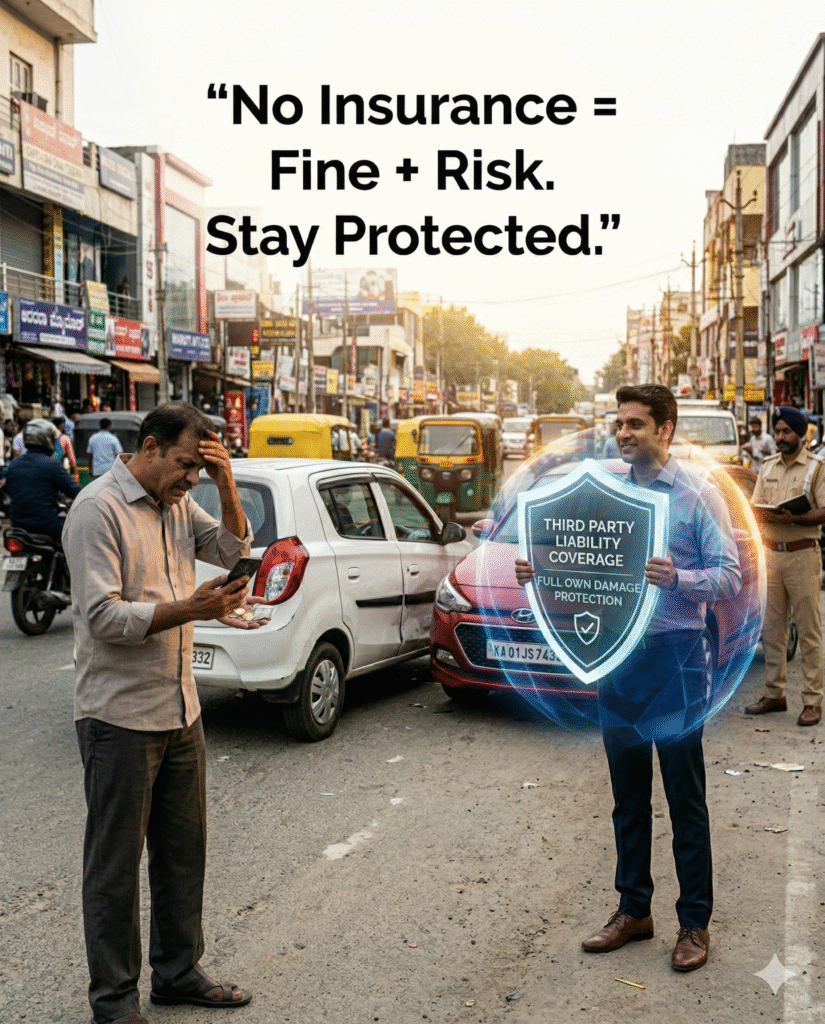
Why is Vehicle Insurance Important?
Vehicle insurance is not just a financial tool—it is a necessity for every vehicle owner. Here’s why:
1. Financial Protection
Accidents can result in heavy repair costs or even total loss of the vehicle. Without insurance, these expenses come directly from your pocket. Insurance ensures that you are financially protected.
2. Legal Requirement in India
As per Indian law, it is mandatory to have at least third-party vehicle insurance. Driving without valid insurance can lead to heavy fines or legal penalties.
3. Protection Against Third-Party Liabilities
If your vehicle causes damage to another person, property, or vehicle, the insurance company covers those costs, protecting you from legal and financial troubles.
4. Peace of Mind
Knowing that you are covered against uncertainties allows you to drive stress-free and confidently.
Types of Vehicle Insurance
There are mainly two types of vehicle insurance policies available in India:
1. Third-Party Insurance
This is the most basic and mandatory form of insurance. It covers damages or injuries caused to a third party by your vehicle.
Key Features:
- Mandatory by law
- Covers third-party injury, death, and property damage
- Does NOT cover your own vehicle damage
2. Comprehensive Insurance
This is a more complete policy that covers both third-party liabilities and damages to your own vehicle.
Key Features:
- Covers accidents, theft, fire, and natural disasters
- Includes third-party coverage
- Offers add-ons for extra protection
🔹 What Does Vehicle Insurance Cover?
A standard comprehensive vehicle insurance policy usually covers:
✔ Accidental damages
✔ Theft of the vehicle
✔ Fire or explosion
✔ Natural disasters like floods, earthquakes, storms
✔ Man-made disasters like riots or vandalism
✔ Third-party liabilities
🔹 What is Not Covered?
While vehicle insurance offers wide coverage, there are certain exclusions:
❌ Driving without a valid license
❌ Driving under the influence of alcohol
❌ Normal wear and tear
❌ Mechanical or electrical breakdown
❌ Using the vehicle for illegal activities
Understanding these exclusions helps avoid claim rejection.
🔹 Add-On Covers for Better Protection
To enhance your policy, you can opt for add-ons such as:
- Zero Depreciation Cover – Full claim without deduction for depreciation
- Engine Protection Cover – Covers engine damage due to water ingress
- Roadside Assistance – Help during breakdowns
- Return to Invoice – Get full invoice value in case of total loss
These add-ons provide extra safety and are highly recommended.
🔹 How is Premium Calculated?
The premium of your vehicle insurance depends on several factors:
- Type and model of vehicle
- Age of the vehicle
- Location (city of registration)
- Engine capacity
- No Claim Bonus (NCB)
- Add-ons selected
A higher coverage and more add-ons generally result in a higher premium, but also better protection.
🔹 What is No Claim Bonus (NCB)?
No Claim Bonus is a reward given by insurance companies for not making any claim during the policy year. It reduces your premium in the next renewal.
NCB can go up to 50%, making insurance more affordable over time.
🔹 How to Choose the Right Vehicle Insurance?
Choosing the right policy is very important. Here are some tips:
✔ Compare multiple insurance providers
✔ Check claim settlement ratio
✔ Choose the right coverage (comprehensive preferred)
✔ Opt for useful add-ons
✔ Read policy terms carefully
✔ Take help from a trusted insurance broker
🔹 Role of an Insurance Broker
An insurance broker plays a vital role in helping you choose the best policy. They:
- Compare plans from multiple companies
- Suggest the best coverage based on your needs
- Help you get the lowest premium
- Assist in claim settlement
- Provide end-to-end support
Having a reliable broker ensures a hassle-free insurance experience. At the end they fight for you if you face problem in claim.
🔹 Conclusion
Vehicle insurance is not just a legal requirement—it is a smart financial decision. It protects you from unexpected expenses, legal liabilities, and stress during difficult situations. Whether it’s a minor accident or a major loss, having the right insurance policy ensures that you are always prepared.
In a country like India, where road conditions and traffic uncertainties are high, vehicle insurance becomes even more essential. Don’t think of it as an expense—think of it as a shield that protects your hard-earned money and your peace of mind.